The Tactical Overview
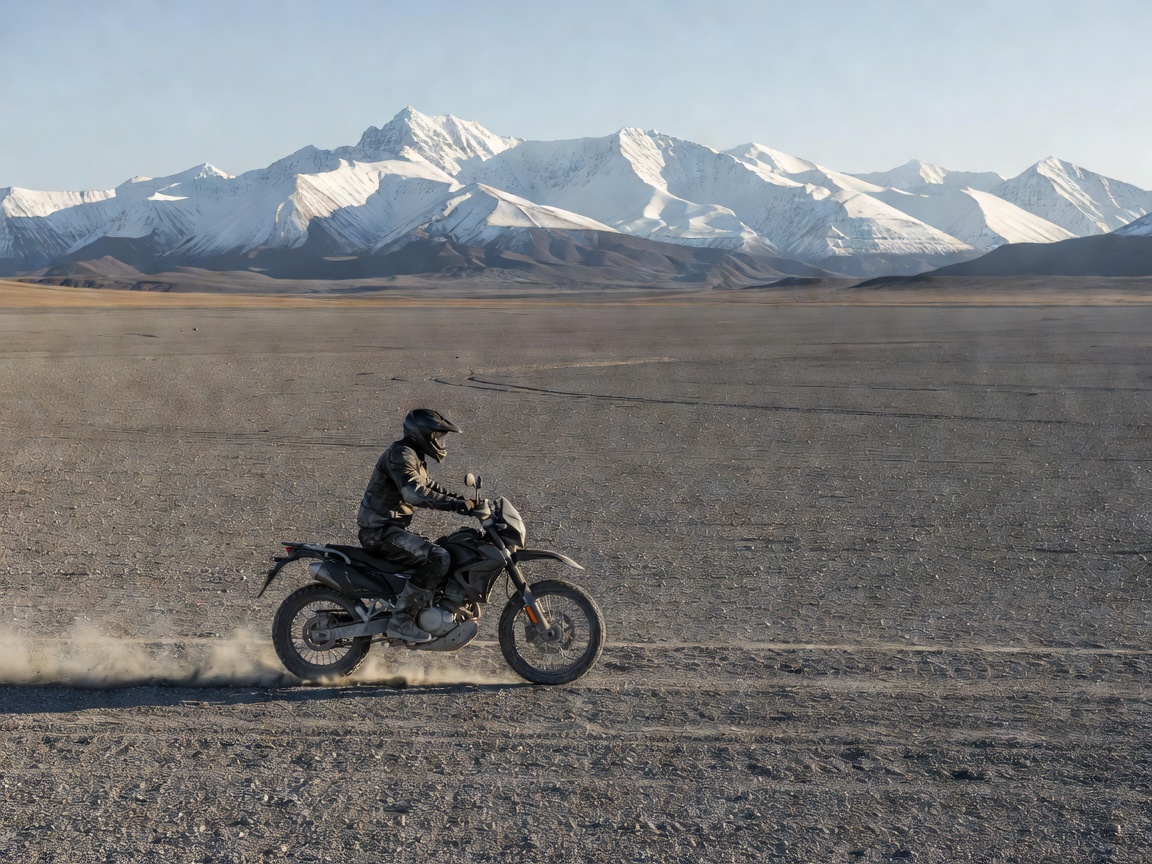
Patagonia, shared by Argentina and Chile, is a vast, sparsely populated region at the southern tip of South America. The two main arteries are the Carretera Austral (Ruta 7) in Chile and Ruta 40 in Argentina. This environment tests long-term endurance. You will face days where the road is nothing but deep, loose gravel (ripio), punctuated by winds that can physically blow a heavy motorcycle into the opposing lane.
Border crossings over the Andes are frequent if you wish to see both the glaciers of Argentina and the fjords of Chile. These crossings involve extensive paperwork, strict customs inspections regarding fresh food, and long transit times through no-man's land.
Mid-capacity adventure bikes (650cc–900cc). They offer a compromise between the weight needed to punch through the crosswinds and the agility required for deep gravel.
Heavy-duty 50/50 adventure tires. A purely street-biased tire will fail in the deep ripio, while a full knobby will wear out instantly on the long tarmac transit sections.
A lower center of gravity is crucial. Pack heavy items as low as possible. Avoid towering top boxes, which act as sails in the Patagonian wind.
Minimum 350-kilometer (220-mile) range. High winds can slash your fuel economy by up to 30%, meaning a standard range is often insufficient between distant fuel stations.
Mastering the Wind and Gravel
The winds in Patagonia are legendary, frequently exceeding 100 km/h (60 mph). When riding in a crosswind, you will ride leaning into the wind while traveling in a straight line. The danger comes from sudden wind breaks—such as a passing truck or a road cut through a hill—which abruptly remove the wind pressure, causing the bike to swerve violently toward the wind source. Riders must remain loose on the bars and anticipate these geographic wind blocks.
The gravel (ripio) varies from hard-packed dirt to marbles over hardpack. The technique is to maintain momentum and steer with the footpegs rather than the handlebars. Keep a loose grip, allow the front wheel to hunt slightly, and use smooth throttle inputs. Braking should be done predominantly with the rear brake to avoid washing out the front wheel.
Mechanical Redundancy
Help is far away in Patagonia. You must carry tools for basic self-recovery, including a robust tire repair kit, a high-volume portable compressor, spare levers, and metal epoxy (JB Weld) for cracked engine cases. Chain maintenance is a daily requirement due to the abrasive dust.
Pros and Cons of the Patagonian Expedition
Advantages
- Unmatched sense of isolation and raw geographic scale.
- Access to world-renowned sites like Mount Fitz Roy and the Perito Moreno Glacier.
- A badge of honor within the adventure riding community.
Disadvantages
- Brutal, fatiguing winds that test mental resolve.
- Extremely long distances between basic services.
- Unpredictable fuel availability (stations frequently run dry).
Conclusion
Patagonia is an endurance event. It requires a mechanically sound motorcycle, a rider comfortable with constant low-traction environments, and the logistical discipline to plan fuel stops meticulously. It is harsh, cold, and beautiful—the definitive adventure ride.